Trending

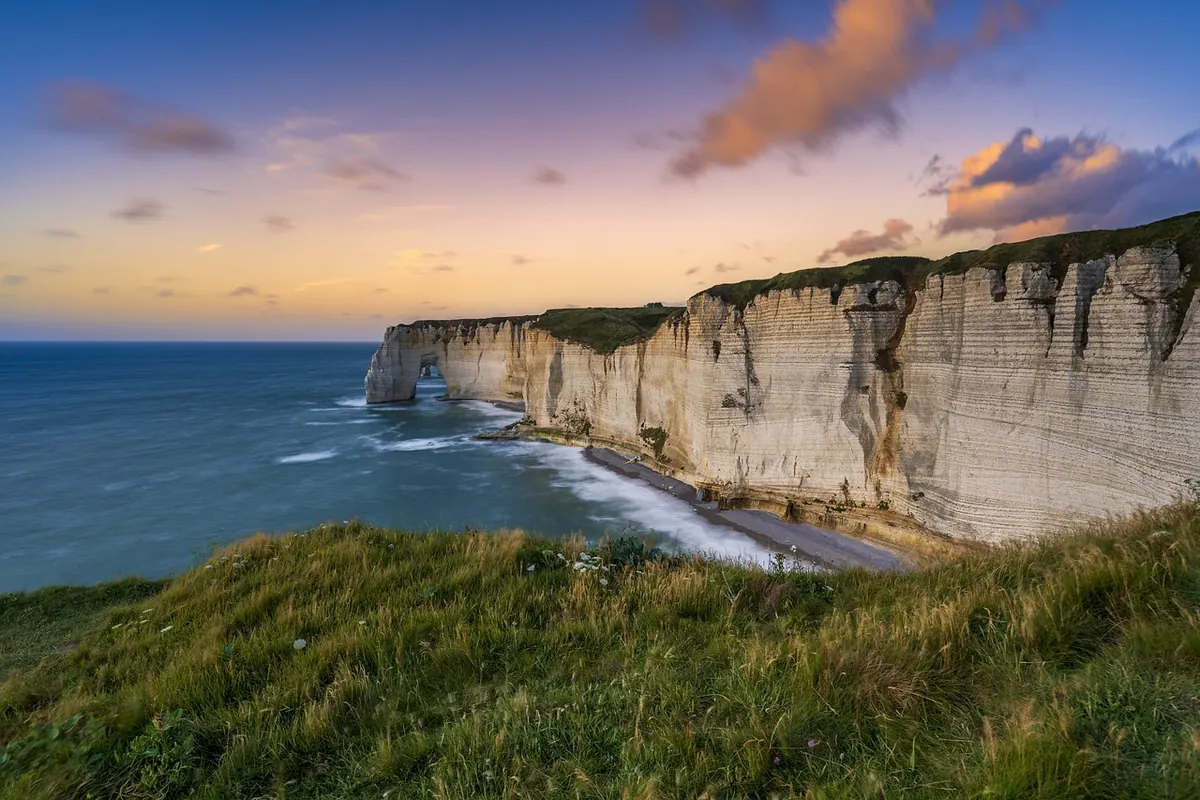
Cliff-top paths have a habit of vanishing. Walk a stretch of the Norfolk coast you last visited a few years ago and there is a fair chance it now stops at a raw, freshly fallen edge, with the beach below reachable only by a long detour inland. Nothing dramatic happened. The sea simply carried on doing what it has always done, one high tide and one winter storm at a time.
Erosion is a natural process, not a failure of the coastline. What has changed is the pace of it in places, the number of people living and walking close to the edge, and how hard it is to hold soft cliffs in position when sea levels are creeping up and storms arrive with more energy behind them.
Two forces do most of the work. The first is wave energy: a storm that coincides with a high spring tide can take more cliff in a few hours than a quiet winter manages in months. The second is geology. Chalk, granite and older hard rock give way slowly, mostly through occasional rockfalls. Soft deposits — the glacial clays and sands that form long stretches of the east coast — crumble and slump far more readily, particularly when heavy rain soaks into the top of a cliff and adds weight and water pressure.
Then there is what we build. A sea wall or rock groyne protects the land immediately behind it, but it also interrupts the movement of sand and shingle along the shore. Beaches are the coast's own defence, absorbing wave energy before it reaches the cliff. Starve a beach of sediment and the erosion often shifts along to the next unprotected stretch. That is why one village can look well defended while the parish a mile down the road loses a slice of garden every winter.
Erosion is uneven, and it always has been. The places that see the most change tend to share soft geology, a prevailing wind and a lack of natural sediment.
One quirk worth knowing: land in parts of Scotland and northern Britain is still slowly rising after the last ice age, while the south-east is sinking. That adds to relative sea-level rise in the south and reduces it in the north, which is part of why the east and south-east coasts feel the squeeze most.
Coastal paths are not permanent. The England Coast Path was designed with "rollback" in mind, so the route can legally be moved inland when the cliff goes, but the change takes time to survey and sign. In the meantime a footprint on your map may lead to a fence post hanging in mid-air. In Wales and Scotland, where access is broader, you are more likely to meet an informal diversion with no notice at all.
Most injuries and deaths on the coast involve people standing where they thought they were safe. Cracks running parallel to the edge, a slight tilt in the turf, a patch of ground that looks wetter than the rest, or fresh rubble at the base of a cliff are all warnings. Undercut cliffs can hold their shape until the moment they don't. Keep children and dogs on leads near the edge, avoid sitting directly beneath an overhang, and remember that a fall at the base of a cliff is just as dangerous as one from the top.
If something has clearly just given way, do not walk over it or below it. Report fresh cracking or a recent fall to the local council's coastal team, and if anyone is in danger, call 999 and ask for the coastguard.
Erosion is managed, not solved. Shoreline Management Plans set out the long-term intention for each stretch of coast — hold the line, manage realignment, or allow natural change — and they look decades ahead. In England, local plans may also designate Coastal Change Management Areas, which restrict new building in places expected to erode. Ask your council which policy applies to your address, and when it was last reviewed.
For homeowners the practical questions come fast: does my mortgage lender care, will my insurance respond, can I get planning permission for anything? Buildings insurance commonly treats gradual erosion differently from storm damage, and it is worth checking your policy wording rather than assuming. Compensation is not automatic when a policy is "no active intervention", and assistance varies around the UK. This is general guidance rather than legal or financial advice — if a significant sum is at stake, speak to a solicitor and a chartered surveyor with coastal experience, and start early.
Check the route and the tide, look at the ground when you get there, and be willing to turn inland if the path looks tired. The coast is not a fixed backdrop; it is a moving edge, and treating it that way keeps you safe on it. Take a photo of anything that looks newly broken and send it to the council. Someone walking the same path next month will be glad you did.
Photo: martinklass / Pixabay