Trending

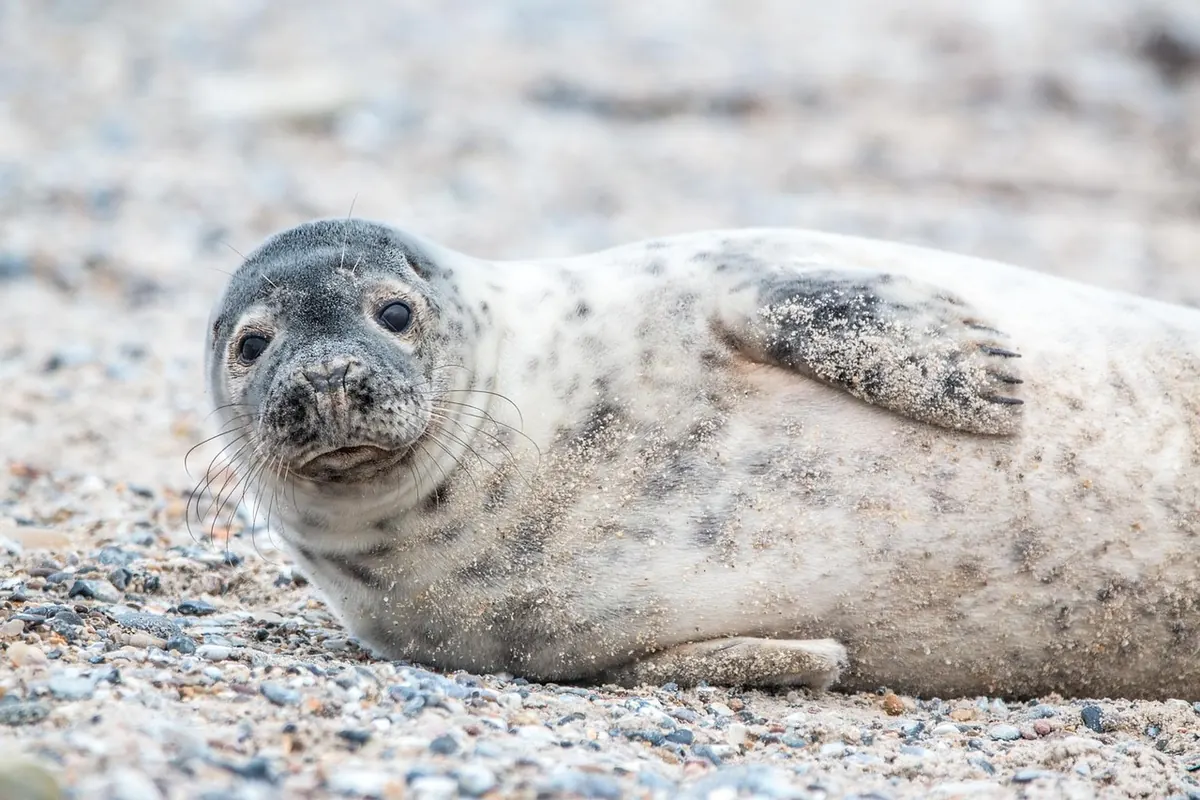
A grey seal's head, wet and whiskered, breaking the surface a few metres from shore is one of the best sights the British coast offers. It is also, fairly often, the moment a colony's afternoon goes wrong. Seals are curious, and that curiosity is easy to mistake for friendliness. Almost every seal you see on a beach or a rock is there for a reason that has nothing to do with you: resting, digesting, warming up, moulting or nursing a pup.
The good news is that avoiding disturbance is straightforward once you know what sets it off. Most of the harm comes from a handful of habits — edging closer for a photograph, letting a dog run, sending a drone up — and all of them are easy to change.
Seals on land are slow, heavy and vulnerable. In water they are fast and agile. That mismatch explains almost everything about seal watching: they need the sea close by, and they need people far away.
Wildlife organisations generally suggest staying at least 100 metres from hauled-out seals, and further if there are pups about or if the group already looks restless. On a busy beach that distance can be impossible, so watch from a clifftop path or a headland instead. Binoculars and a zoom lens do the job far better than your feet ever will.
Never put yourself between a seal and the water. That line is its escape route, and if you block it a calm animal can turn panicked in seconds. If you are walking along a beach and a seal hauls out nearby, give it room, keep moving and let it settle.
The same applies on the water. Kayakers, paddleboarders and small boats should hold a steady, predictable course and avoid steering towards a group of heads. Seals will sometimes follow a kayak out of curiosity. Enjoy it, keep paddling and let them peel away in their own time.
If a seal lifts its head and stares at you, you are already too close. If several start shuffling towards the sea, leave quietly. Do not wait for a better photograph.
To a seal, a dog is a predator, whether it is a spaniel or something the size of a small pony. A dog running loose on a beach can push an entire group into the water in seconds, including pups that are not yet strong swimmers.
Keep dogs on a short lead anywhere near seals, and on a lead on any beach where seals are known to haul out. Many coastal nature reserves and councils require leads during sensitive seasons, and disturbing seals is an offence under UK wildlife law. That is worth remembering if a warden or a fellow walker asks you to move on.
It cuts both ways. Seals have powerful jaws, a bite can cause serious injury, and the infection risk is real. If your dog decides to swim out and investigate a seal's head, call it back and leave the water. If a seal approaches your dog, move away rather than trying to shoo the seal.
From a hundred metres up, a drone sounds like a distant insect. To a seal, the noise and the shadow overhead are something else entirely. A drone hovering over a haul-out can trigger a rush to the water, and pups can be separated from their mothers in the confusion.
The height argument — "I'm not close, I'm just high up" — does not really hold. Seals respond to sound and to movement above them, and a drone that appears to be nowhere near is often directly overhead. Drone rules require you to keep clear of people, aircraft and restricted airspace, and many coastal reserves and councils have their own local restrictions. Check the Dronecode and any notices at the site before you fly.
If seals are present, do not launch at all. If you want aerial images of a colony, look for licensed footage instead. No photograph is worth a stampede.
Pupping seasons differ by species. Grey seals generally give birth in autumn and winter, common, or harbour, seals in summer. Whenever your local colony pups, that is when disturbance does the most harm.
Newborn grey seal pups have a fluffy white coat and cannot swim well for the first weeks of life. They rely on their mothers for milk. A mother will often leave her pup on the beach while she feeds at sea, returning to nurse it. A pup on its own is usually not abandoned — it is waiting.
Never try to herd a pup into the sea. It may drown. And never attempt to handle a seal yourself, however well meaning the impulse.
Seals are subtle, but not that subtle. Watch for:
If you see any of these, stop, back away and stay low. Do not run; that adds to the alarm. Move off the beach or behind a dune or rock and wait. Given space, seals usually settle within a few minutes.
A little planning means better sightings and far less disturbance.
You will see more by staying back. Seals that feel safe carry on being seals: hauling out, squabbling over rocks, nursing pups, watching you with mild suspicion from a distance. That is the sight worth making the trip for.